Katie Fowlie
AboutBespoke ProjectsPROCESSCurrent ResearchBeachcombingContact & CVShort-term letsRiver Park
Menu
AboutBespoke ProjectsPROCESSCurrent ResearchBeachcombingContact & CVShort-term letsRiver Park
River Park / Artist in Residence
SessionsThemes + questionsHandover
River Park · LevenmouthWorking plan for organiser discussion

October 2026 / initial engagement

Material, memory, movement.

A precise plan for a short series of public taster sessions at Kirkland Dam and the Wetland Boardwalk, running alongside the artist’s research and development in the River Park.

Katie Fowlie
Artist in Residence

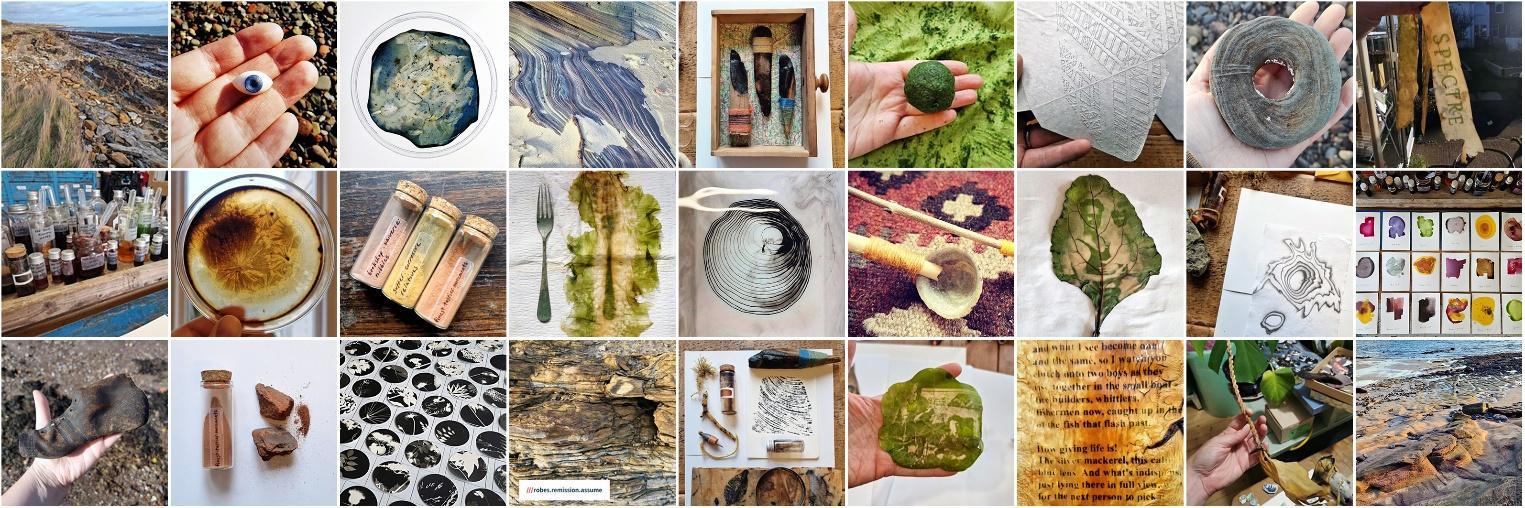
A collage of gathered materials, botanical colour studies and experimental prints
A material-led practice: foraging, pigment-making, print, fragments and place-based observation.
01 / purpose

October is an initial period of listening, looking and making. The sessions are deliberately short, accessible and repeatable: people can see how the artist works, try a material process, contribute an observation, and leave a trace for the research.

The focus is ecology through a material lens. Natural materials, archaeological fragments, colour, texture, plant meanings and local stories are gathered into a working archive that can feed the River Park interpretation programme, digital platform, bespoke interpretation and future public art.

Research and development1–9 October

Artist on site, observing, testing, gathering and refining prompts before public engagement.

Initial engagement4 × 90 minutes

Two linked sessions per week from Tuesday 13 October, subject to the Mill diary.

Primary locationKirkland Dam / Wetland Boardwalk

Less-focused areas to date; making can be based under a gazebo to respond to the weather.

Important: dates and start times are provisional until the beginning of October. The site team is on site Monday–Friday; the proposed sessions avoid Friday 16 and Saturday 17 October.
02 / deliveryFour short sessions · one shared field archive

A linked sequence, not four separate workshops

How October will work

The proposed format is four 1.5-hour sessions across two weeks, overlapping with activities at the Mill where useful. Each one gives participants a taster of the artist’s live research while adding a different layer to the archive. The Artist will base herself on site on those days, creating a welcoming “outdoor studio” where all 10 participants, or smaller groups, can see how an artist works, researches and develops ideas, and get involved in this way of working.

01

Tuesday 13 October

Material-led walk / first field archive

Kirkland Dam + Wetland Boardwalk

A slow, guided introduction to the site and the research.

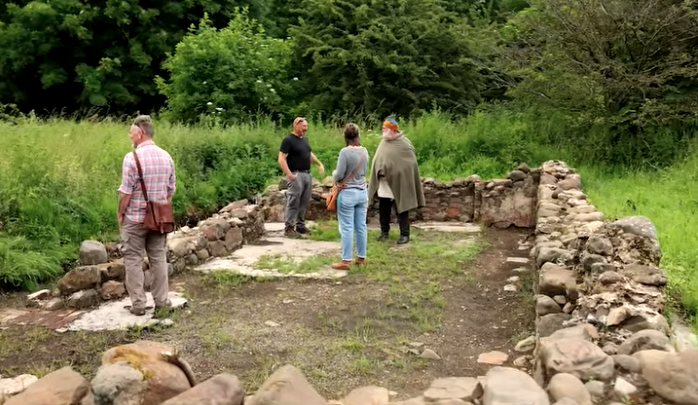
Participants walk, look and gather carefully: fallen leaves, plant matter and surface textures. We will use cropped apertures, rubbings, photographs and what3words prompts to notice where colour, pattern and story are found.

Theme threadRiver restoration · ecology · direct engagement
02

Thursday 15th October

Botanical colour / taster laboratory

Sheltered point or gazebo near the boardwalk

Turning place-based materials into colour.

Participants test small botanical inks and pigments made from suitable gathered or artist-provided materials. Introduction/demonstration into making botanical inks, create colour swatches on postcards, and test chlorophyll printing (weather permitting).

Theme threadGrowing with the Flow · ecology · materiality
03

Tuesday 20th October

Fragments / texture and working lives

Kirkland Dam + Wetland Boardwalk, with Mill links

Reading industrial traces alongside living materials.

Alongside fragments uncovered from Paul's digs/Mill activity - the artist brings a collection of river-found fragments gathered over 20 years, including references to brick, glass, pantiles, leather and rusty metal. Participants make simple prints, rubbings or plasticine texture stamps, and connect material traces to archaeology, work and memory.

Theme threadIndustrial past · community heritage · shared archive
04

Thursday 22nd October

River movement / shared archive

Kirkland Dam + Wetland Boardwalk

Bringing observations, colour and stories together.

Suminigashi inspired by the river will become a way to explore flow, repetition and change. Participants can add a mark, pattern, story, thought or desire for the Park to a postcard or book page, creating a small reciprocal archive for future interpretation.

Theme threadAll four themes · public art · interpretation

Repeatable 90-minute rhythm

Welcome, walk, make, share.

10 minWelcome, context, access check
20 minWalk, look, gather or observe
30 minHands-on material taster
20 minStories, prompts, archive notes
10 minClose, photograph, reset

Group + setting

Plan for up to 10 people around the boardwalk / Mill activity, with no prior skill required. A gazebo or sheltered point keeps the making safe from the elements.

Materials

Bring paper, postcard stock, inks, tools and a selection of historic fragments. Gather only suitable loose material on site, with permissions and respect for the ecology and archaeology.

What changes each time

The artist will refine the next prompt from what the previous session reveals: a colour, a texture, a story, a plant, a fragment or a question about the Park.

03 / shared frameFour theme lenses · lines of questioning

Every session returns to these four strands

What we are asking of the materials

The material tests are not an end in themselves. They are a way to ask what the Park is becoming, what it carries, and how a future visitor might be invited to notice it.

01

River restoration

Growing with the Flow

What do flow, wetland, repair and changing water levels look and feel like in material form? Which marks or processes could help visitors notice the river’s ongoing transformation?

02

Traces, materials and archaeology

Industrial past

How can steel, iron, railway colour, brick, glass, clay, pantile and found fragments reveal the hidden industrial heritage without separating it from the living landscape?

03

Working lives, memory and civic pride

Community heritage

What local stories, memories and associations should sit alongside the material tests? How might people’s observations become archive items, story cards or prompts for discovery?

04

Plants, wetland and renewal

Ecology

What do plants, trees, hedgerows, wildflower meadows and gathered materials tell us about biodiversity and care? What meanings, symbolism, uses or attributes might open new ways of seeing the Park?

Core line of questioning

Material research → public interpretation
“How can the use of materials reveal the hidden industrial heritage of the River Park while reflecting its transformation into a thriving natural landscape?”
  • Which colours, textures, marks and forms feel specific to Kirkland Dam and the Wetland Boardwalk?
  • How might plants, fragments, water and weathering tell a story of change rather than a fixed past?
  • What do local people notice, remember or want others to discover here?
  • How could a material be touched, read, followed or found in a public setting?
  • What can remain temporary, and what needs translating into a robust permanent material?
  • How might a small participant-made archive become a useful digital or physical interpretation item?

Possible October processes

Foraging · cropping apertures · rubbings · botanical inks · pigment from brick · chlorophyll printing · suminigashi · plasticine texture stamps · spool books · postcards · story prompts.

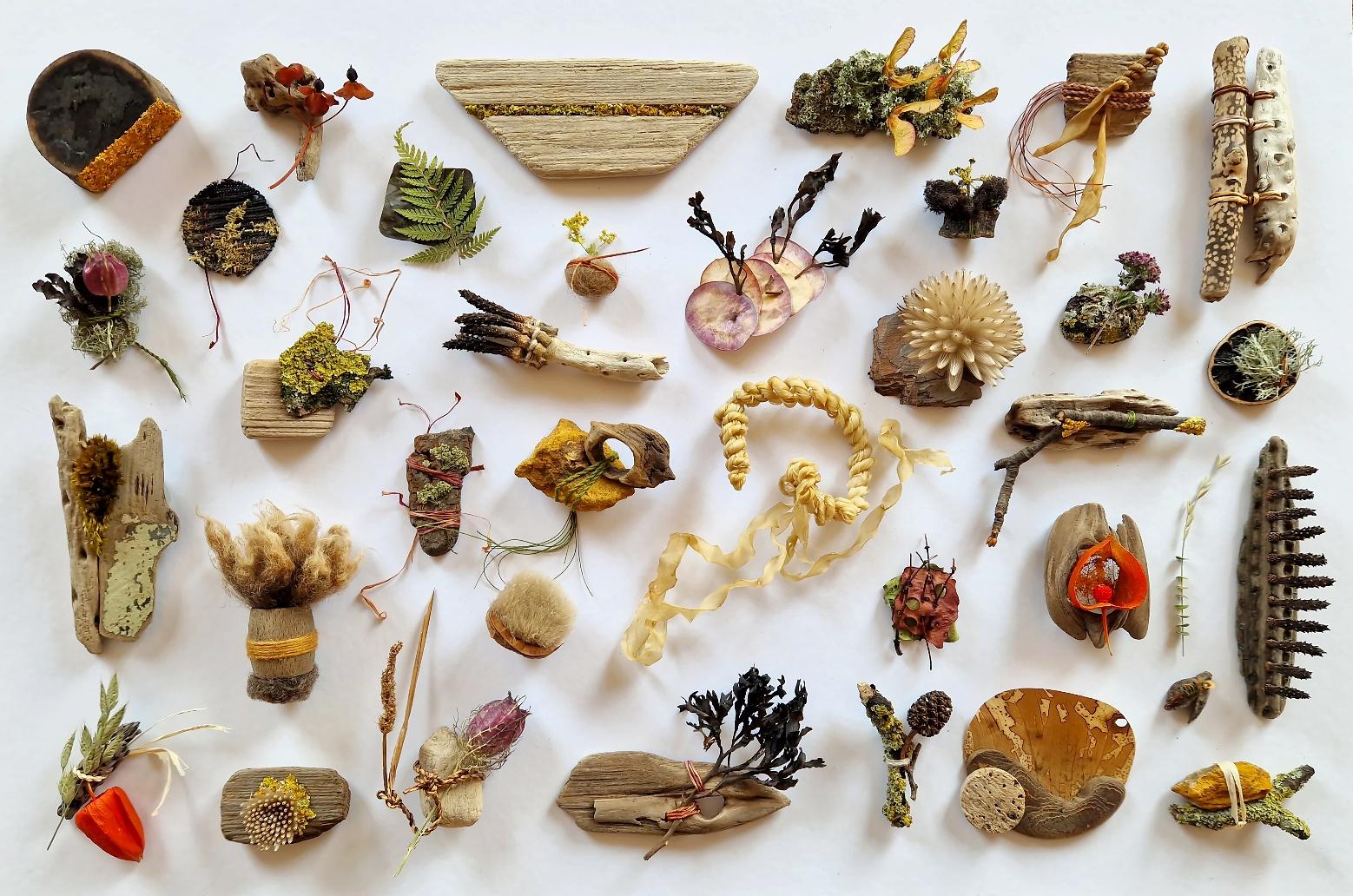
Small moss forms made from gathered natural materials
04 / capture + next stepUseful evidence for interpretation and public art

What October should leave behind

A working archive organisers can use.

October will generate evidence, not a polished finished artwork. The value is in the combination of material tests, participant responses and clear notes about how each idea might translate into interpretation, wayfinding or public art.

November remains a separate follow-on date.It can allow further research and development, then a final engagement to share findings with the community and project team.
Collaborative map exploring textures, patterns, stories and hidden histories in the River Park

Participation can become a map of textures, patterns, stories and hidden histories.

01 / material archive

Colour + surface

Colour swatches, plant and fragment references, rubbings, prints, photographs and process notes, with the source and location recorded where possible.

02 / participation archive

Words + responses

Postcards, spool-book pages, story fragments, observations, desires for the Park and what3words prompts, with agreement about what can be shared.

03 / design intelligence

Ideas to carry forward

Early material language for public art and interpretation: possible colours, patterns, textures, processes, forms, visitor interactions and durability questions.

To confirm at the start of October

Small decisions that unlock the sessions

  • Match the four dates and 90-minute start times to the Mill programme and site team availability.
  • Confirm the meeting point, gazebo / sheltered making area, access route and weather fallback.
  • Agree which groups or local networks to invite, including any school or community introductions.
  • Agree how photographs, stories and participant-made archive items can be shared with the digital platform and interpretation team.
River Park Artist in Residence · October initial engagement planPrepared for discussion with Icecream Architecture + Green Action Trust